SM
Sarah M.
Just joined
Melbourne, VIC 19+ yrs
Post a gig in 60 seconds, get bids from go-to-market strategies nearby. You pick the one that fits.
Ranked by verified rating, review volume, proximity and profile completeness. Every freelancer joins with an ABN and an Australian mobile.
Not sure who's best for the job? Post a gig and let local go-to-market strategies send you a quote.
Post a gig. Pick a local freelancer. Pay in stages. All in one web app. Finding great help shouldn't be hard work.
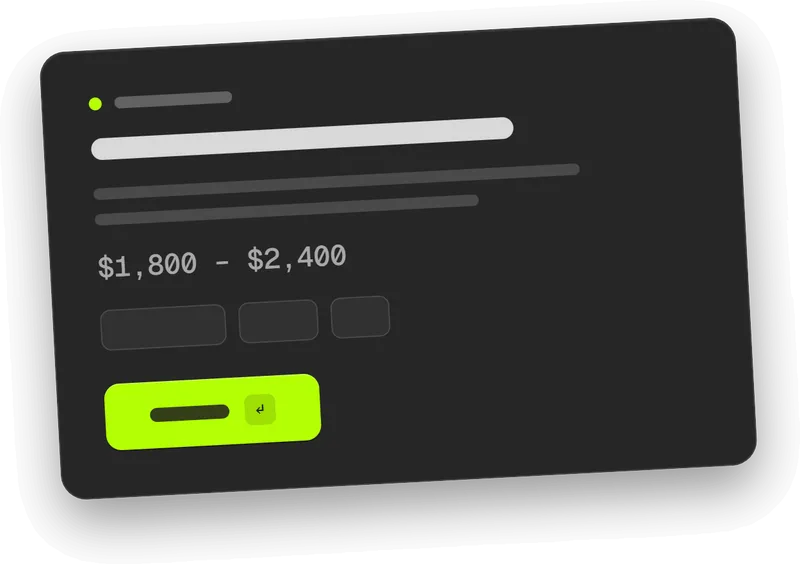
Tell us what you need, time-based or outcome-based. Takes 60 seconds and it's free to post.
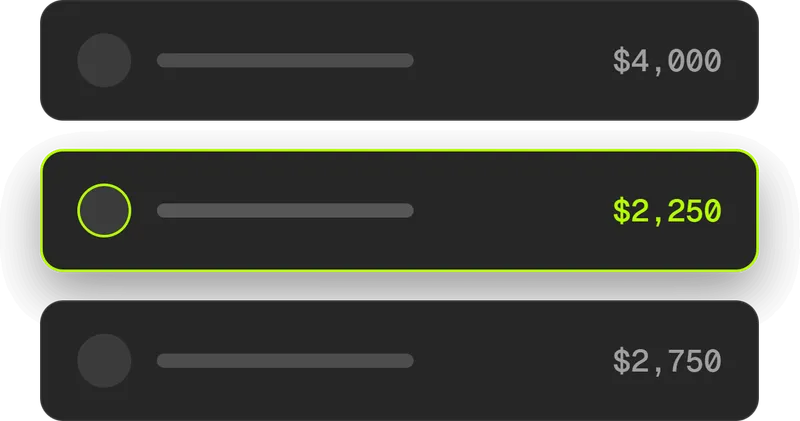
Compare bids from local freelancers, view portfolios and past work.
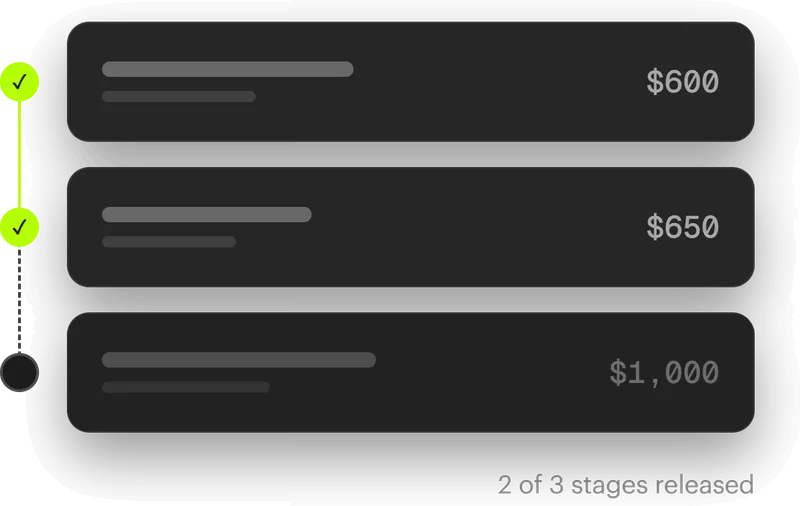
When the work lands and you're happy, sign it off and release the payment securely through Stripe. Done and dusted.
Not sure who's best for the job? Post a gig and let local freelancers send you a quote.
A launch plan for something new: a product, a service, or a move into a new market. The deliverable covers the target audience, the channels you'll use to reach them, pricing and offer, the core message, and a launch sequence with timings, what happens in the weeks before, on launch day, and after. Bigger gigs add competitor analysis and a sales-readiness check so you're not just shouting into the void on day one.
When you're launching something, not running business as usual. A new product line, a service you've never sold before, a different customer type, or expanding into a new city or state. If you've got an existing offer that's just grown stale, that's a marketing strategy refresh. A go-to-market plan is specifically for the question, how do we land this new thing successfully from a standing start.
A marketing strategy is the ongoing plan for the whole business: your steady channels, positioning and quarterly priorities. A go-to-market strategy is launch-specific and time-boxed, built around one moment with a clear before, during and after. It answers narrower questions, who buys this first, what we charge, how we sequence the launch. Once the thing has launched and settled, it folds back into your ongoing marketing.
You don't aim at everyone on day one. A go-to-market plan picks the beachhead, the tightest group most likely to buy early and tell others, then widens from there. For a new product that might be your existing customers; for a new market it's the segment with the clearest need and least competition. A freelancer pressure-tests who you think wants it against who actually will, which often isn't the same group.
Pricing is part of the plan, not an afterthought. The freelancer weighs what it costs you, what the market pays now, and where you want to sit (premium, mid or value), then tests it against what your first customers would actually hand over. For a launch you'll often decide on an introductory offer or an early-bird price too. Pricing too low to be safe is the common mistake; it's harder to raise later than to start fair.
A timed run of activity rather than a single big-bang day. Typically: a pre-launch phase to build a waitlist or warm your audience, the launch window itself with coordinated channels (email, social, ads, maybe PR), then a follow-up phase to convert the people who hesitated. Mapping it out means your email, ads and posts land in the right order instead of all at once. The sequence is often what separates a launch that builds from one that fizzles in a day.
You can, especially for a small product, and free frameworks plus AI tools help you organise the moving parts. The risk is the blind spots: founders tend to assume the audience is bigger and keener than it is, and underestimate how much pre-launch warming a cold market needs. A freelancer who's run launches before brings a realistic sequence and a check on your assumptions before you've spent the budget.
Bring the detail on what you're launching: what it is, what it costs you to deliver, when you want it live, and any data on customers who might want it. Be honest about budget and capacity, a plan that assumes a team you don't have is useless. The clearer the product and the constraints, the more the freelancer can build a launch you can actually pull off rather than an ideal one you can't.
A go-to-market plan in Melbourne typically runs $3,000 to $8,000. A tightly scoped launch plan for a single product can start around $2,000, while a full strategy with market research, competitor analysis and pricing work can reach $12,000 or more. Some freelancers price it as a fixed scope, others at a day rate of $900 to $1,800 for workshop-led planning. Research depth and launch complexity drive the cost.
Look for one who's launched things, not just planned them, ideally in your industry or to a similar audience, and ask them to walk you through a launch sequence they ran and how it went. Good ones get specific about audience and pricing fast and are honest about what could flop. Read their verified reviews on Unjumble for whether the launch actually landed. Be wary of anyone who hands you a generic plan without asking hard questions about the product first.
Post a go-to-market strategy gig in under five minutes. Describe the work, set your budget and timeframe, and choose whether it is time-based or outcome-based. Local freelancers send a bid with a quote, you compare their profiles, portfolios and reviews, then pick the one that fits. Posting is free, so you only pay for the work.
Every gig is split into stages you both agree on up front. You fund each stage before the work starts and it is held securely through Stripe, then released once you sign off. No chasing invoices, and no paying for work that is not done.
Gigs, kept local.
Australia-only marketplace pairing local businesses with local marketing freelancers.

© 2026 Unjumble Group Pty Ltd, Australia·ABN 52 675 599 621