ZD
Zach D.
Just joined
Richmond, VIC 14+ yrs
Post a gig in 60 seconds, get bids from ux designers nearby. You pick the one that fits.
Ranked by verified rating, review volume, proximity and profile completeness. Every freelancer joins with an ABN and an Australian mobile.
Not sure who's best for the job? Post a gig and let local ux designers send you a quote.
Post a gig. Pick a local freelancer. Pay in stages. All in one web app. Finding great help shouldn't be hard work.
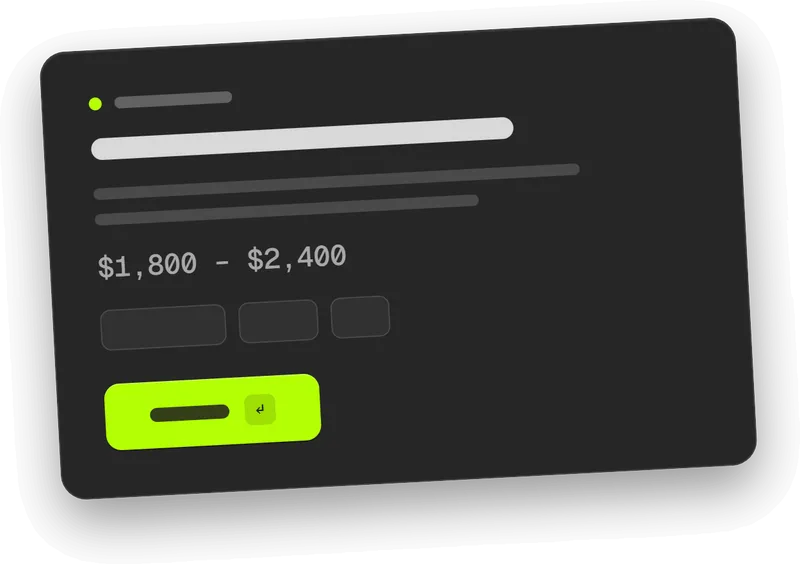
Tell us what you need, time-based or outcome-based. Takes 60 seconds and it's free to post.
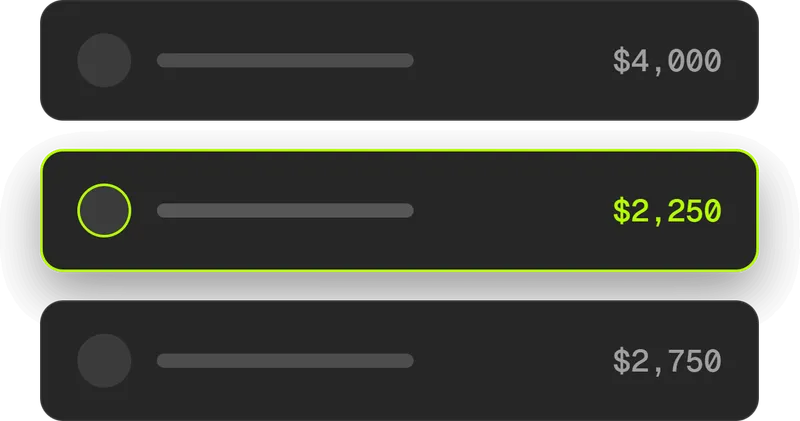
Compare bids from local freelancers, view portfolios and past work.
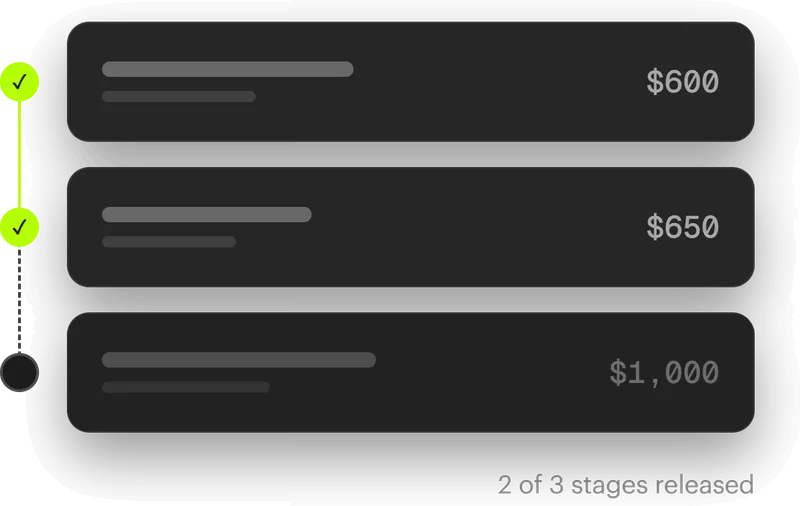
When the work lands and you're happy, sign it off and release the payment securely through Stripe. Done and dusted.
Not sure who's best for the job? Post a gig and let local freelancers send you a quote.
UX design is the structure and flow behind a product: how someone gets from landing to done, what's on each screen, what order it all happens in, and how the navigation hangs together. A typical gig covers mapping the key user flows, the information architecture (how content and screens are organised), and wireframes that show the layout and logic before anyone styles it. The deliverable is the blueprint your UI designer and developer build on.
UX is how it works; UI is how it looks. UX sorts the flows, the screen order and the structure so the thing makes sense to use. UI then handles the colour, type, spacing and components that make those screens look right. UX decides a checkout should be 3 steps and what's on each; UI decides what the buttons and fields look like. They're separate skills, often done by different freelancers, and the UX usually comes first.
UX research studies your users (interviews, usability tests, audits) and hands back findings about what they need and where they struggle. UX design takes those findings, or your own brief, and turns them into the actual flows, structure and wireframes. Research tells you what to build and why; design works out how it's laid out and ordered. On a bigger job you'd do research first, then design; on a smaller one a UX designer often works straight from your brief.
People get where they're going without thinking about it. Good UX means short, obvious paths to the things users actually came to do, navigation that matches how they expect it to work, and no dead ends or surprise steps. It's grounded in real behaviour, not what looks neat in a diagram. The test is simple: can someone who's never seen it finish the main task without being told how.
Information architecture is how you organise and label everything: the menu structure, what's grouped with what, and the words you use for it. It matters because most usability problems are really structure problems. People can't find a thing because it's filed where they wouldn't look, or named something they wouldn't search. Getting the architecture right early is cheap; rebuilding navigation after launch, when links and habits already exist, is not.
You can sketch your own flows on paper or in a tool like Figma, and for a simple idea that's a solid start. Where a UX designer earns their keep is spotting the steps you've assumed people will understand, untangling navigation once a product gets more than a few screens, and grounding decisions in how users actually behave rather than how the business is organised internally. The more screens and paths involved, the more that outside read pays off.
Usually a set of user-flow diagrams, a sitemap or information-architecture map, and annotated wireframes showing each screen's layout and logic, most often as a Figma file. The wireframes are deliberately low on styling so the focus stays on structure and flow. Ask whether a clickable prototype is included if you want to walk through it, and confirm the file is tidy enough to hand straight to a UI designer or developer.
Wireframes are one of the main things a UX designer produces. They're the low-detail layouts that show what goes where and how screens connect, without the colour and polish. A dedicated wireframing and prototyping gig goes further, turning those into a clickable prototype you can test before any build. If you want UX thinking plus something you can click through and trial, say so in the gig so the bid covers the prototype, not just the static frames.
In Melbourne, UX design for a single flow or a small product often runs $1,500 to $4,000. A full product, with research-informed flows, information architecture and wireframes across many screens, more typically lands at $5,000 to $12,000. Price tracks how many flows and screens are involved, and whether user research or prototyping is bundled in or handled as separate gigs.
Look for case studies that show their thinking, the flows, the structure, the problem they were solving, not just pretty final screens. A good UX portfolio explains decisions, not just outcomes. Check they can hand over flow diagrams and wireframes in a tool like Figma, ask how they ground decisions in user behaviour, and read their verified reviews on Unjumble. A short chat about your product surfaces fast whether they think in flows or just in screens.
Post a UX design gig in under five minutes. Describe the work, set your budget and timeframe, and choose whether it's time-based or outcome-based. Local freelancers send a bid with a quote, you compare their profiles, portfolios and verified reviews, then pick the one that fits. Posting is free, so you only pay for the work.
Every gig is split into stages you both agree on up front. You fund each stage before the work starts and it's held securely through Stripe, then released once you sign off. No chasing invoices, and no paying for work that's not done.
Gigs, kept local.
Australia-only marketplace pairing local businesses with local marketing freelancers.

© 2026 Unjumble Group Pty Ltd, Australia·ABN 52 675 599 621