YA
Yianni A.
Just joined
Sydney, NSW 25+ yrs
Post a gig in 60 seconds, get bids from drone operators across Australia. You pick the one that fits.
Ranked by verified rating, review volume, proximity and profile completeness. Every freelancer joins with an ABN and an Australian mobile.
Not sure who's best for the job? Post a gig and let local drone operators send you a quote.
Post a gig. Pick a local freelancer. Pay in stages. All in one web app. Finding great help shouldn't be hard work.
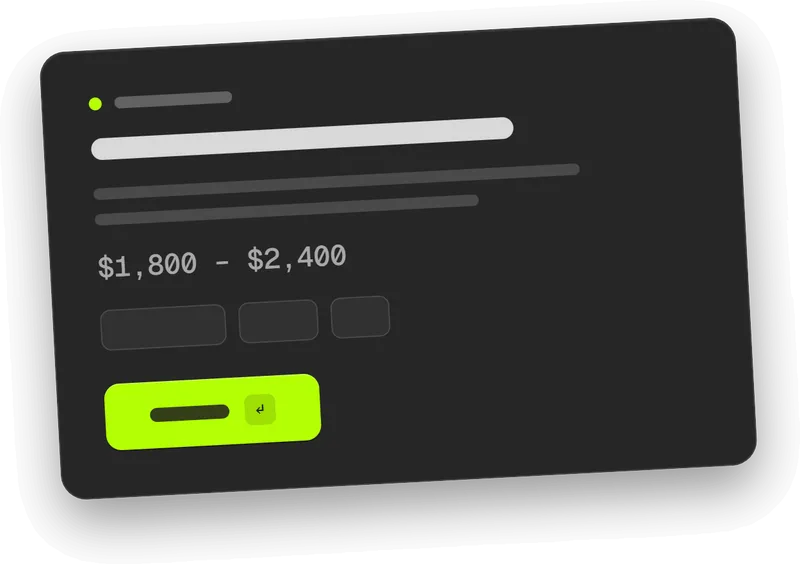
Tell us what you need, time-based or outcome-based. Takes 60 seconds and it's free to post.
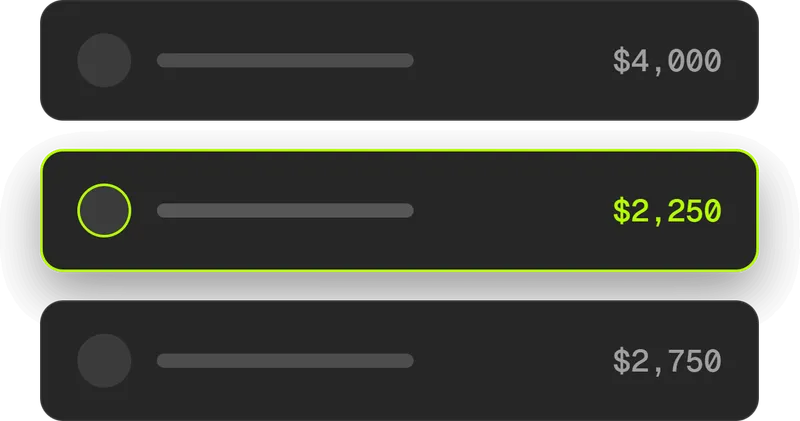
Compare bids from local freelancers, view portfolios and past work.
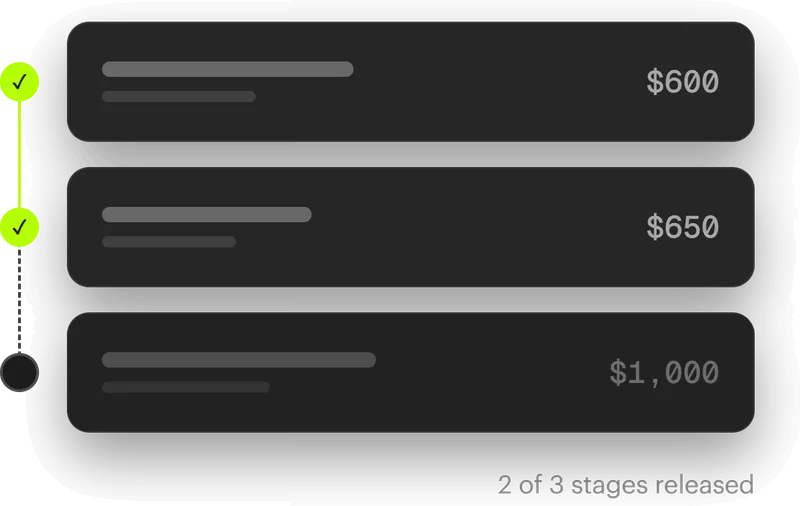
When the work lands and you're happy, sign it off and release the payment securely through Stripe. Done and dusted.
Not sure who's best for the job? Post a gig and let local freelancers send you a quote.
A typical gig covers the flight planning (location, angles and a rough shot list), the flying day itself, and the edit. You get aerial stills, video, or both, colour graded and exported in the formats you need. For property and construction work, expect a mix of wide establishing shots, orbits and top-down passes. Be clear up front whether you want photos, video or a full package, it changes the bid.
For paid work, yes, this is the detail that matters most. Flying a drone over 2 kg for business in Australia means the operator needs a Remote Pilot Licence (RePL) and usually flies under a Remote Operator's Certificate (ReOC), both issued by CASA. Sub-2 kg commercial flights can run under the lighter excluded-category rules, but the operator still has to register with CASA and notify them. Always confirm a freelancer's RePL and ReOC before you book, an unlicensed flight can void insurance and land you both in trouble.
Anything that's better from above or from an angle you can't reach on foot. The common jobs: real estate and property listings, event coverage, landscape and tourism content, construction and site progress over time, and big hero shots for a brand video. It's also handy for inspections, roofs, solar, large rural blocks, where getting up there yourself is slow or risky. If the story is the scale or the setting, drone earns its place.
Most professional aerial freelancers fly DJI gear: a Mavic 3 or Air 3 for general property and brand work, or a Phantom or Inspire for higher-end production. The drone matters less than the operator, but ask about camera resolution (4K video and 20-megapixel-plus stills are standard now), and whether they shoot in a flat or log colour profile for grading. For mapping or progress work, ask if they can fly an automated grid for consistent results.
The flying is quick, the planning and edit are where the time goes. A single-property or single-site shoot is usually a half-day on the ground, with edited footage back within a few days to a week. A larger job across multiple locations, or ongoing construction progress over months, runs longer and is best set up as staged visits. Weather is the wildcard, wind and rain ground a drone, so build a backup day into the brief.
For your own private use, a cheap drone and a steady hand will get you something. The catch for business use is twofold: the law (commercial flights need CASA licensing, see above) and the result. A freelancer knows how to frame an orbit, nail exposure, fly smooth cinematic moves, and edit it into something that holds attention. If it's going on a listing or an ad, the gap between a hobby clip and a licensed operator's footage is obvious.
It's the angle and the licensing. A videographer shoots from the ground, a drone operator adds the aerial perspective and has to be CASA-licensed to do it commercially. Plenty of freelancers offer both and will blend ground and aerial footage into one edit, which is usually what a brand video or property listing wants. If you only need the sky shots to drop into an existing edit, say so, an aerial-only gig is cheaper than a full production.
Final edited stills and video in the formats you need: 16:9 for YouTube and listings, 9:16 for reels, and high-resolution JPEGs for the aerial photos. Ask for a captioned social version if it's going on Instagram or TikTok. If you want the raw footage or the editable project file, write that into the gig up front, it's not always included. For ongoing site work, agree a consistent angle and altitude so each visit lines up.
In Australia, a basic aerial photo package for a single property often starts around $300 to $600. A half-day shoot with edited aerial video usually runs $800 to $2,000, and a full production blending ground and aerial footage across multiple locations goes beyond that. Price tracks licensing, flying time, the number of locations and how much editing you need.
Start with the showreel and confirm the legal basics: a current CASA RePL, an ReOC or excluded-category registration, and public liability insurance. Look for aerial work in your field, property, events or construction, and judge the smoothness of the flying and the quality of the edit. Read their verified reviews on Unjumble, and ask about turnaround and a weather backup plan. A quick chat about the site tells you whether they get the brief.
Post a drone gig in under five minutes. Describe the work, set your budget and timeframe, and choose whether it's time-based or outcome-based. Local freelancers send a bid with a quote, you compare their profiles, showreels and verified reviews, then pick the one that fits. Posting is free, so you only pay for the work.
Every gig is split into stages you both agree on up front, often the shoot and the final edit. You fund each stage before the work starts and it's held securely through Stripe, then released once you sign off. No chasing invoices, and no paying for work that's not done.
Gigs, kept local.
Australia-only marketplace pairing local businesses with local marketing freelancers.

© 2026 Unjumble Group Pty Ltd, Australia·ABN 52 675 599 621