JG
Jenny G.
Just joined
Brisbane, QLD 9+ yrs
Post a gig in 60 seconds, get bids from pr specialists across Australia. You pick the one that fits.
Ranked by verified rating, review volume, proximity and profile completeness. Every freelancer joins with an ABN and an Australian mobile.
Not sure who's best for the job? Post a gig and let local pr specialists send you a quote.
Post a gig. Pick a local freelancer. Pay in stages. All in one web app. Finding great help shouldn't be hard work.
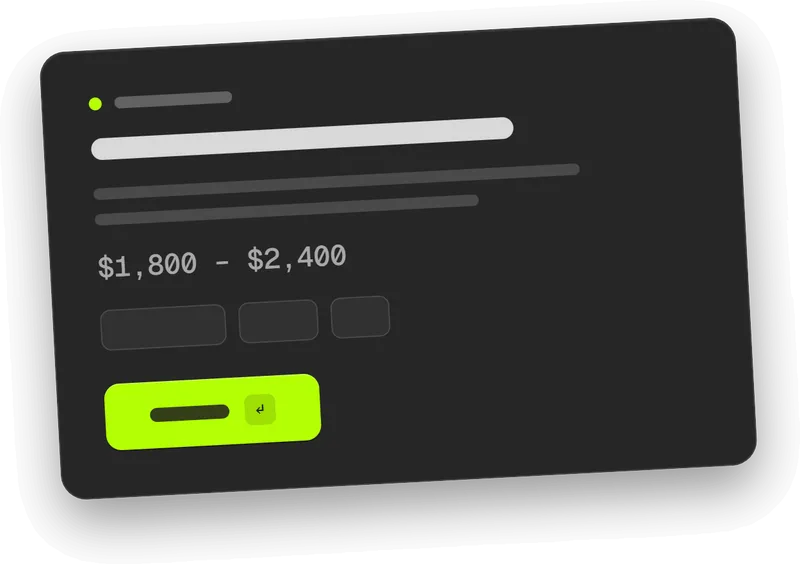
Tell us what you need, time-based or outcome-based. Takes 60 seconds and it's free to post.
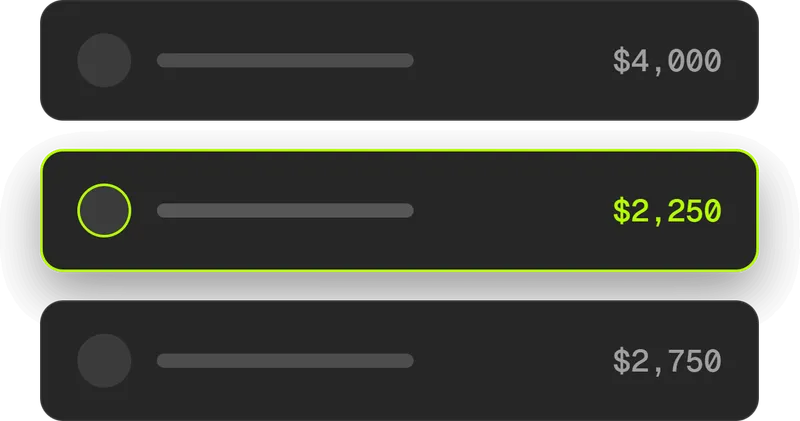
Compare bids from local freelancers, view portfolios and past work.
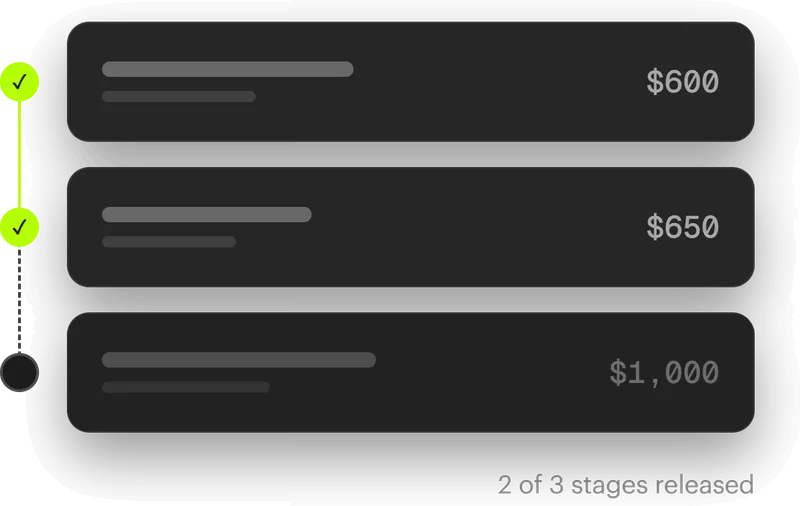
When the work lands and you're happy, sign it off and release the payment securely through Stripe. Done and dusted.
Not sure who's best for the job? Post a gig and let local freelancers send you a quote.
The mix depends on the goal, but it usually covers media relations (building a list of the right journalists and pitching them your story), writing press releases and media kits, and a communications plan for how and when you'll say things. Some gigs add award entries, podcast and speaking outreach, or crisis messaging if something's gone wrong. The aim is earned coverage, getting your story in front of the right people through outlets they already trust, rather than paying for an ad.
Advertising is space you pay for and control; PR is coverage you earn and influence but don't own. A paid ad says what you want exactly how you want it; a PR win is a journalist or publication choosing to tell your story, which carries more trust because it isn't bought. The trade-off is control: you can't guarantee the angle or the timing. The two work best together, but they're different jobs with different freelancers.
Not always, and not the way a big brand does. PR earns its keep when you've got a genuine story (a launch, a big moment for the business, a local angle, a founder worth profiling) or when you want third-party credibility that ads can't buy. If you've got nothing newsworthy yet, your money's better on the channels that drive sales directly. The honest test: would a journalist's readers actually care, or is it only interesting to you?
It's the relationship side: knowing which journalists, editors and outlets cover your space, and pitching them stories they'd want to run. A freelancer with real contacts can get your pitch read instead of binned, which is most of the battle. It's slow-built and reputation-based, so a freelancer who already covers your sector or region is worth more than a bigger generic list. Cold-pitching a hundred journalists rarely beats a warm intro to the right three.
A real story, told the way a journalist needs it: a clear newsworthy hook in the first line, the facts up top, a usable quote, and the boring details (dates, numbers, contact) easy to find. The common mistake is a release that's an ad in disguise, all adjectives and no news. A good freelancer finds the genuine angle (a local first, a surprising number, a human story) and writes it so an editor can almost run it as-is.
Slower than paid channels. A single announcement might get coverage in a few weeks, but PR really works as an ongoing effort: relationships, repeated pitches and a steady drip of stories over months. Don't expect one press release to change your year. A one-off launch push is a few weeks of work; building genuine media presence is a longer, ongoing gig. Set the expectation up front so success is measured fairly.
For local and community coverage, often yes, your local paper or regional radio may well run a good story if you pitch it well, and tools like a media database help. Where a freelancer earns their keep is contacts and angle: they know which journalists to approach, what hook will land, and how to write a pitch that gets opened. AI can help you draft a release, but it can't build a relationship with an editor or judge whether your story is genuinely newsworthy.
Bring the story and the assets: what's actually happening, why now, any numbers or milestones, and high-res photos or a founder available for interview. Be clear on the goal, local awareness, industry credibility or crisis response are different jobs. The more genuinely newsworthy material you hand over, the more a freelancer has to work with. There's a limit to what even great PR can do with a story no one outside the business cares about.
In Australia, a one-off push like a launch announcement and media outreach typically runs $2,000 to $6,000. Ongoing PR is usually a monthly retainer, commonly $2,000 to $6,000 a month for a small business, scaling up with ambition and outlet reach. Some freelancers charge a day rate of $800 to $1,500 for comms planning or crisis work. What you pay tracks the freelancer's contacts and how active the campaign is.
Contacts and sector fit matter most: someone who already covers your industry or region beats a bigger generic network. Ask for coverage they've actually secured (the links, not a promise) and how they'd angle your story. Be wary of anyone guaranteeing specific placements, no honest PR person controls what a journalist runs. Read their verified reviews on Unjumble for whether the coverage was real and relevant, and check they're clear on what success looks like before you start.
Post a PR and communications gig in under five minutes. Describe the work, set your budget and timeframe, and choose whether it is time-based or outcome-based. Local freelancers send a bid with a quote, you compare their profiles, portfolios and reviews, then pick the one that fits. Posting is free, so you only pay for the work.
Every gig is split into stages you both agree on up front. You fund each stage before the work starts and it is held securely through Stripe, then released once you sign off. No chasing invoices, and no paying for work that is not done.
Gigs, kept local.
Australia-only marketplace pairing local businesses with local marketing freelancers.

© 2026 Unjumble Group Pty Ltd, Australia·ABN 52 675 599 621